Történelem - History

Póló-történelem

fahazavato-060.jpg

 2007 szenzációja, a hétköznapi szarvasi póló…

Melyikünknek ne lapulna a szárítókötelén, a szekrényében egy-két szarvasi poló. A klasszikus hajós a két Dávid-csillaggal, fehér alapon kék mintával, vagy kék alapon fehér madrich felirattal. A kezdetektől 2005-ig tartott ez az időszak. 2006-ban jött aztán az új dizájn a hajóárbócba rejtett csillaggal és a tábortémával a hátoldalán. A 2007-es év újabb változást hozott, a táborozóként vagy madrichként kapott pólók mellé újabbakat vehetünk 1000 Ft-ért a táborban (lásd mellékelt képet). Olyat, amit bárhová felvehetünk, úgy hogy csak mi tudjuk milyen tábor is a miénk… Az új póló négy féle színben (sárga, narancssárga, keki és fehér) volt kapható a második turnusban.

fahazavato-015.jpg

a 2007-es tábori madrichpóló


Történelem - History

Kisvárosi zsidók… – a szarvasi zsidó közösség nyomában…

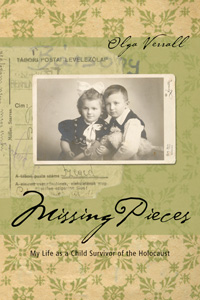
konyv.jpg

About the Book


Until age seven, Olga Barsony lived an idyllic life in Szarvas, a small town in Hungary, surrounded by her doting, observant Jewish family. In spring 1944, Olga and most of her family were interned in the Auspitz labour camp shortly after the Nazi occupation of Hungary. Eventually reunited after the war, the family moved back to Szarvas, only to face harsh repression at the hands of the Communists a few short years later. In 1957, the Barsonys immigrated to Winnipeg, where Olga met and married her husband Orland Verrall, the cantor at the local synagogue. Olga and Orlandís love for each other, the birth of their two daughters, and the promise of a peaceful, contented life together helped to build the foundation of a new start in Canada – a seemingly happy ending to an otherwise traumatic number of years.

Sadly for Olga Verral, she would have to endure many more tribulations as she undertook the painful process of re-living the horror of the Holocaust as a child, while at the same time wrestling with the ghosts that had been haunting her life ever since. Anger, sadness, and a deep sense of emptiness would be a recurring theme and source of frustration as Olga undertook rebuilding her life in the aftermath of such intensely excruciating events. After the death of her husband and subsequent emotional breakdown, doctors encouraged her to write her memoirs as a form of therapy. In this way Olga Verral takes her first steps on the long journey towards recovery and tries finally to write a genuinely triumphant ending to her life story.

Missing Pieces makes a significant contribution to the growing genre of writing by child survivors of the Holocaust, and is the first Holocaust memoir to expose the little-known Auspitz labour camp.

About the Author


Olga Verrall was born in Szarvas, Hungary in 1936, and after surviving the Holocaust moved to Winnipeg in 1957. She married in 1967, has two daughters, and currently lives in Toronto.

(from: http://www.uofcpress.com/1-55238/978-155238-220-2.html)

Történelem - History

Múltidézés… – a szarvasi zsidó közösség nyomában

holo.jpg

“A szarvasi rabbi fia, Itámár Jáoz-Keszt – aki annak idején Izraelbe vándorolt – kiváló költő írja Éjjeli kísértés című versében, hogy felébredt éjjel, mert valami motoszkálást hallott a lakásban: „És íme, rég-felejtett könyvek léptek elém, zsibongó elégtételt követelve, ama régi, megtagadott anyanyelvemen írt kötetek tusázva szeretetért.” Az otthonról, Magyarországról hozott könyvek fellázadtak a szekrény aljában. Olyan ember ír erről, aki csak azért, hogy megélhessen, három nyelven beszél. Sőt, ha köze van mondjuk az utcaseprőhöz, akkor még arabul is megtanul. Itámár Jáoz-Keszt szerint az a fontos, hogy az ember milyen nyelven álmodik. Ha magyarul, akkor vagy inkább addig még biztosan magyar. “

(forrás: http://www.kisalfold.hu/cikk.php?id=1000185&cid=1044697)

Történelem - History

A Holokauszt emléknapjára…

holo.jpg

Az egykori ortodox imaterem Szarvason (1985) a Kossuth Lajos utcában…

(kép forrása: http://www.osa.ceu.hu)